













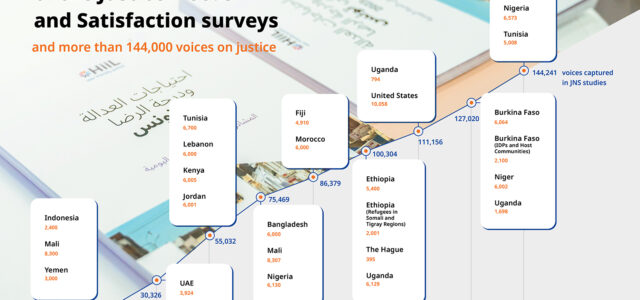
Special Feature: Celebrating 10 Years of the Justice Needs and Satisfaction Surveys
Ten years ago, the Dutch Embassy in Yemen asked us to measure the justice needs experienced by Yemeni people. To say that this was a challenge is an understatement.

Iraq Justice Innovation Initiative – Solutions for People to Solve Their Housing, Land and Property Problems
We are looking to support Iraqi-led initiatives addressing housing, land, and property challenges with the new Iraq Justice Innovation Initiative. Apply now.
The 50% Justice Challenge and its response
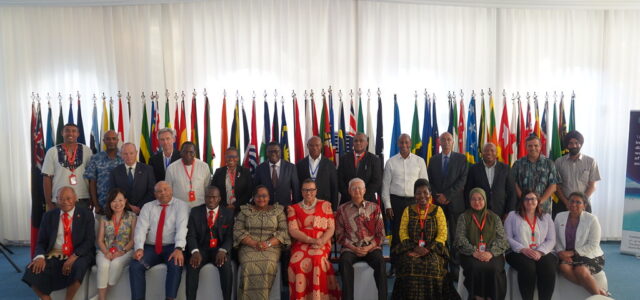
The Commonwealth Law Ministers have recurrently prioritised addressing the justice gap, recognising the size of the challenge. What is now needed is leadership.